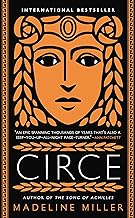
In the vast pantheon of Greek mythology, few figures have undergone as profound a modern renaissance as Circe. Once relegated to the margins of epic tales as the sorceress who turned Odysseus's men into swine, she has been reborn in the 21st century as a complex, powerful, and deeply human protagonist. This resurgence is largely thanks to Madeline Miller's masterful novel, simply titled Circe, which has not only topped bestseller lists but also sparked a renewed fascination with mythological retellings. The book's success lies in its ability to breathe new life into ancient stories, granting voice and agency to a character long defined by the fears and desires of men.
The Heart of the Story: Circe and The Song of Achilles
To understand the phenomenon of Circe, one must also consider Miller's earlier work, The Song of Achilles. This award-winning novel reimagines the Trojan War through the poignant love story of Achilles and Patroclus. Together, these books form the cornerstone of a new wave of Greek mythology retelling that prioritizes intimate character studies over grand, impersonal narratives. For readers who wish to immerse themselves fully in Miller's world, the Circe and The Song of Achilles 2 Books Collection Set offers the perfect entry point. This collection allows you to experience the author's evolution and her consistent talent for humanizing legendary figures.
Miller's Circe is a narrative of exile, self-discovery, and defiance. Banished to the remote island of Aiaia for her witchcraft and for threatening the divine order, Circe transforms her solitude into a source of strength. She hones her pharmakeia—her knowledge of herbs and potions—not as a weapon of petty revenge, but as an art form and a means of asserting her autonomy. The novel follows her across millennia, through encounters with famous figures like the crafty Odysseus, the tragic Minotaur, and the formidable Athena. It is ultimately a story about a woman forging her own identity and power in a world determined to define her limits.
Beyond the Novel: A Cultural Phenomenon
The impact of Miller's Circe extends far beyond the pages of the novel itself. It has inspired a wide array of companion works and artistic interpretations, creating a rich ecosystem for fans to explore. For book clubs and students, the Study Guide for Book Clubs: Circe provides invaluable discussion questions, thematic analyses, and historical context, deepening the reading experience and fostering meaningful conversation.
For those drawn to the mystical and magical aspects of Circe's story, the The Little Book of Circe: Invocations and Prayers offers a practical guide. Part of the charming Little Magical Guides series, this book connects the mythological goddess to modern practices of goddess worship and meditation, allowing readers to incorporate her archetypal energy into their spiritual lives.
Perhaps one of the most visually stunning tributes is the Circe Tarot deck. This isn't merely a divination tool with a themed box; it's a profound work of mystical art that reinterprets the Major and Minor Arcana through the lens of Circe's mythos. Each card invites the user to engage with themes of transformation, inner power, and sacred knowledge, making it a must-have for both tarot enthusiasts and lovers of the novel.
Circe in Translation and Related Tales
The global appeal of Circe is evident in its availability in multiple languages. The Circe [AdN] (Spanish Edition) brings Miller's lyrical prose to Spanish-speaking audiences, while Ich bin Circe offers a powerful German novel translation, complete with its evocative subtitle framing the story as a "rebellious retelling." This accessibility underscores the universal themes of the story—themes of otherness, resilience, and the search for belonging.
The success of Circe has also paved the way for other feminist re-examinations of myth. A compelling companion read is Clytemnestra, which gives voice to another of Greek mythology's most vilified queens. Reading these novels side-by-side offers a panoramic view of the complex lives of ancient women, reframing their stories from ones of villainy to ones of survival and tragic agency.
For readers who enjoy the atmospheric, labyrinthine quality of Miller's Aiaia, Susanna Clarke's Piranesi presents another brilliant exploration of isolation, memory, and a world built of endless, beautiful halls. While not a mythological retelling, it shares a similar sense of wonder and a deep, philosophical core that will resonate with fans of literary fiction and magical realism.
Why Circe Endures
Madeline Miller's The Song of Achilles: A Novel (P.S.) and Circe have cemented their status as modern classics. They have won numerous awards, dominated book of the year lists, and inspired countless book reviews and discussions. Their endurance speaks to a timeless human desire: to see ourselves in the stories of the past. Miller achieves this not by rewriting the myths, but by widening the lens, asking us to consider the perspectives that history and epic poetry have overlooked.
Whether you are a longtime fan of Greek mythology, a seeker of profound fantasy novels, or a reader hungry for powerful feminist fiction, the world of Circe offers a gateway. From the core novel to its beautiful ancillary works like the tarot deck and study guides, this is a myth for our time—a story about claiming your voice, mastering your craft, and defining your own destiny, no matter the confines placed upon you. It is a spell that continues to be cast, enchanting new generations of readers.